
Jacketed Reactor Vessels

Precision-engineered vessels for optimal thermal control, process safety, and long-term reliability in chemical, pharmaceutical, and biotech applications.

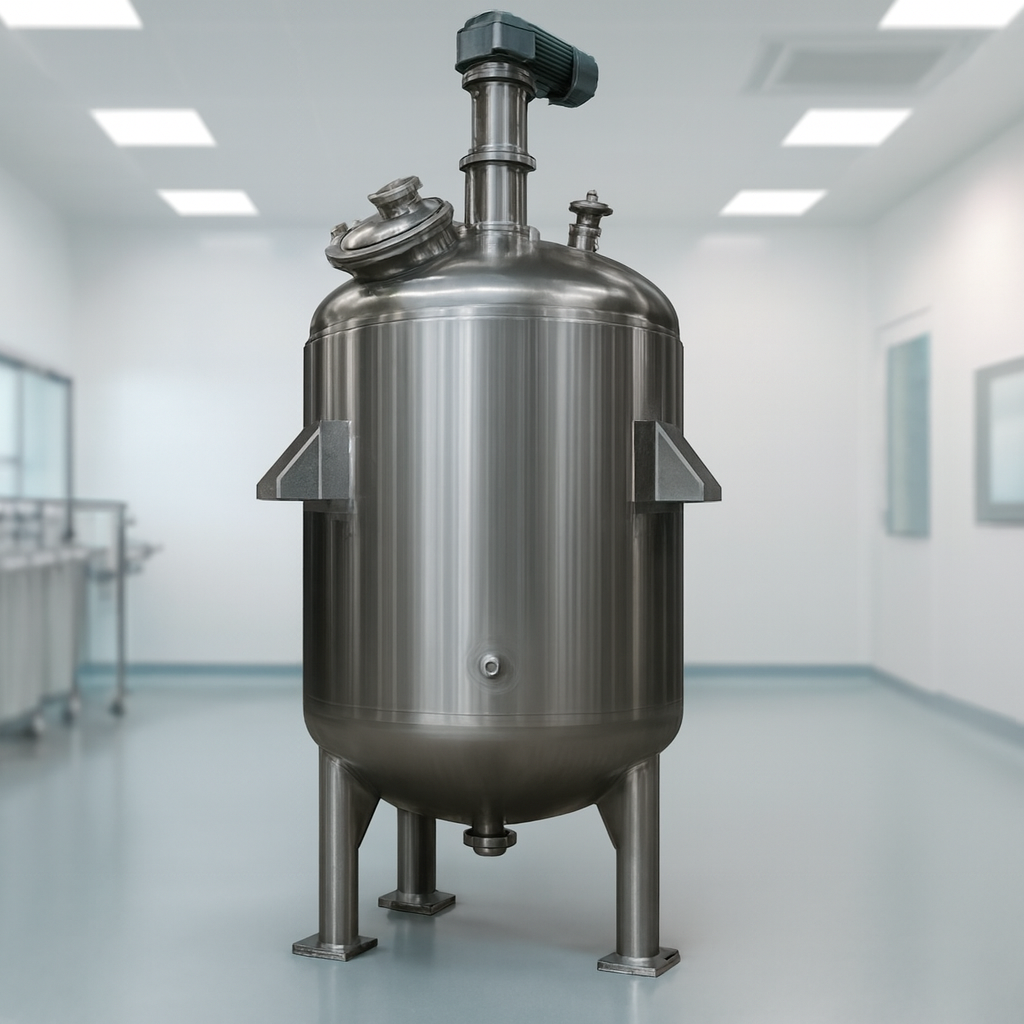
Inner Vessel / Reactor Body

Where the chemical reaction or fermentation occurs, usually stainless steel or glass.

Inner Vessel

Jacket (Outer Layer)

Hollow space for circulating heating/cooling fluid to control temperature.

Jacket

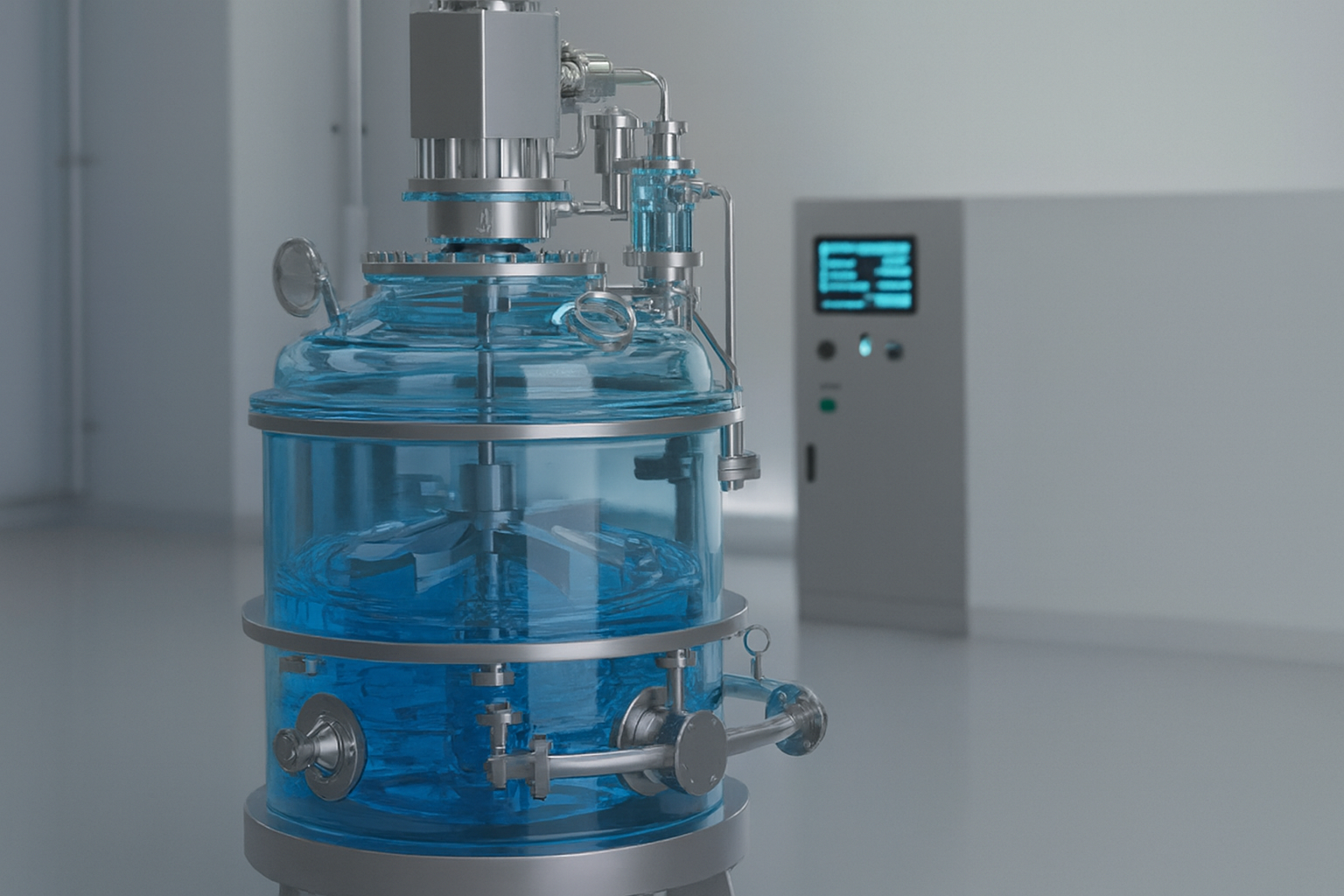
Agitator / Stirrer

Rotating shaft with blades to ensure uniform mixing of contents.

Agitator

Ports / Nozzles

Feed inlets, temperature/pressure sensors, and sampling ports for monitoring.

Ports

Optional Accessories

Baffles, condensers, reflux lines, and gas spargers for enhanced reaction control.

Accessories
Inner Vessel

Inner Vessel / Reactor Body

Where the chemical reaction or fermentation occurs, usually stainless steel or glass.

Jacket

Jacket (Outer Layer)

Hollow space for circulating heating/cooling fluid to control temperature.

Agitator

Agitator / Stirrer

Rotating shaft with blades to ensure uniform mixing of contents.

Ports

Ports / Nozzles

Feed inlets, temperature/pressure sensors, and sampling ports for monitoring.

Accessories

Optional Accessories

Baffles, condensers, reflux lines, and gas spargers for enhanced reaction control.

How It Works

How It Works

  1. Reactants are added into the inner vessel.
  2. The agitator mixes them uniformly.
  3. The jacket circulates hot or cold fluid to maintain temperature.
  4. Sensors monitor temperature, pressure, and sometimes pH.
  5. Once the reaction is complete, the product is collected.

Temperature Control

Prevents reactions from going too fast or too slow.

Uniform Mixing

Ensures consistent product quality.

Scalable

Can be used in small labs or large industrial setups.

Where It's Used

  • Pharmaceutical industries for drug manufacturing.
  • Food industries for fermentation or mixing.
  • Chemical industries for reactions requiring temperature control.
  • Biotechnology labs for cell culture and fermentation processes.